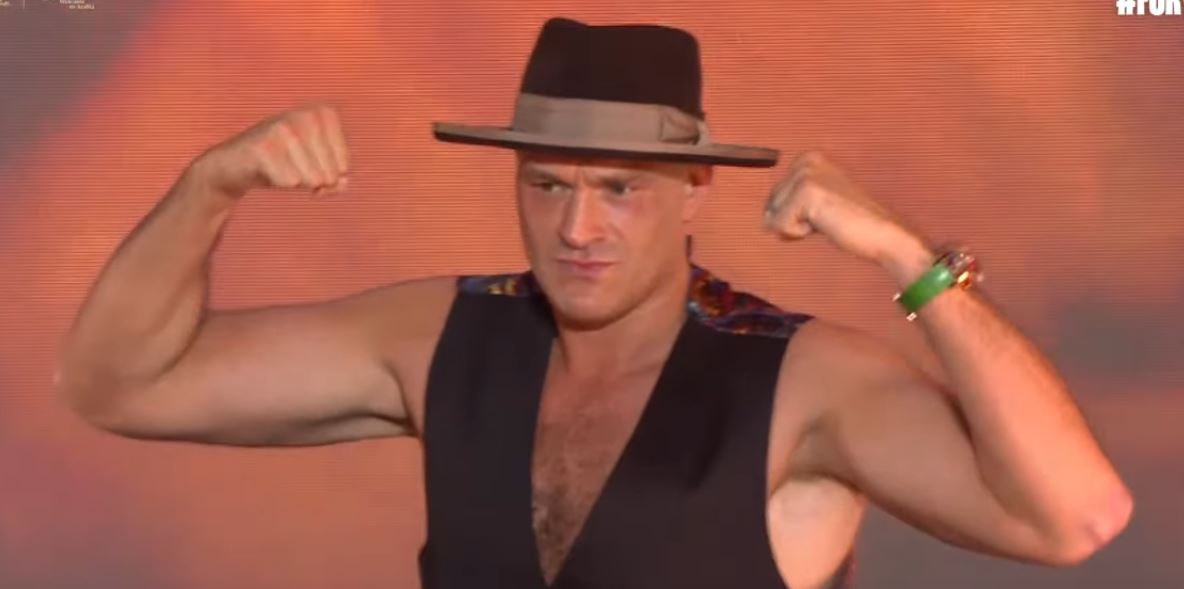
For nearly a decade, British boxing fans have been promised the fight that would finally settle it: Fury vs. Joshua, winner-take-all bragging rights over the entire UK heavyweight scene. Now, with both men having ticked off their final tune-ups this past weekend, the fight is reportedly locked in for later this year. My prediction is simple, and I’ll say it plainly: Fury wins by knockout.
The Warning Signs Are Already There
You don’t have to squint to see them. Look no further than what happened on July 25 in Jeddah. Joshua stepped in against Kristian Prenga, a durable but hardly elite operator, and was caught cold, dropped just 19 seconds into the first round by a right uppercut. It didn’t stop there — Prenga drove the point home again with a barrage of blows later in the opening round, putting Joshua down for a second time. This wasn’t a wobble. This was a former unified heavyweight champion getting hurt, twice, in a single round, by a fighter with nowhere near Fury’s skill set, reach, or fight IQ.
Yes, Joshua recovered. He came out aggressive in the second round and scored a knockout over Prenga. Give him credit for the resolve. But resolve isn’t the question here — chin is. And Joshua’s chin has now been a legitimate question mark across multiple fights, from the Andy Ruiz Jr. shocker years ago to Daniel Dubois flattening him at Wembley to a comparatively limited puncher like Prenga putting him on the canvas twice in one round. That is not the profile of a man who should be stepping into the ring with the single biggest puncher of his generation.
Fury’s Side of the Ledger
Compare that to how Fury spent his own final tune-up. Fighting in Pattaya, Thailand against 46-year-old Mariusz Wach, Fury got the job done with relative ease, coasting through the bout before getting a stoppage in the seventh round. Fury didn’t need to survive anything. He didn’t hit the canvas. He controlled range, controlled pace, and finished on his terms — which, frankly, has been the story of his career against anyone who isn’t Oleksandr Usyk.
That’s the core of the matchup problem for Joshua. Fury is 6’9″, operates behind a jab that’s historically given Joshua fits, and has the footwork to make a walk-forward power puncher like Joshua miss all night. Joshua has always done his best work against opponents he can plant his feet and load up on. Fury doesn’t let you do that. He smothers, he holds, he pivots, and eventually he starts letting his hands go in twos and threes once he’s found the range — the exact sequence he used to eventually take Wach out.
The Chin-vs-Chin Math Doesn’t Favor Joshua
Put simply: Fury has been stopped only by Usyk, arguably the best boxer of this era, and even then it took him twelve competitive rounds. Joshua, on the other hand, has now shown susceptibility to being hurt early against a comparatively limited banger in Prenga, on top of prior knockout losses to Ruiz and Dubois. When the biggest puncher in the division — a man with legitimate one-shot power in either hand — steps in with a target who’s proven he can be found in the first round, it’s hard to bet against the finish.
Add in that Fury will be the naturally bigger, longer man controlling range for most of the fight, and the picture gets clearer. Joshua’s best path to victory has always required imposing his physicality early. Against Fury, he won’t get the chance — and if the Prenga fight taught us anything, he may not survive long enough to find one.
My Pick
Fury by knockout, likely somewhere in the middle rounds once he’s timed Joshua’s approach and found the opening. It’s the fight British boxing has waited a decade for, and it may finally deliver the definitive answer everyone’s wanted — just not the one Joshua fans are hoping for.
